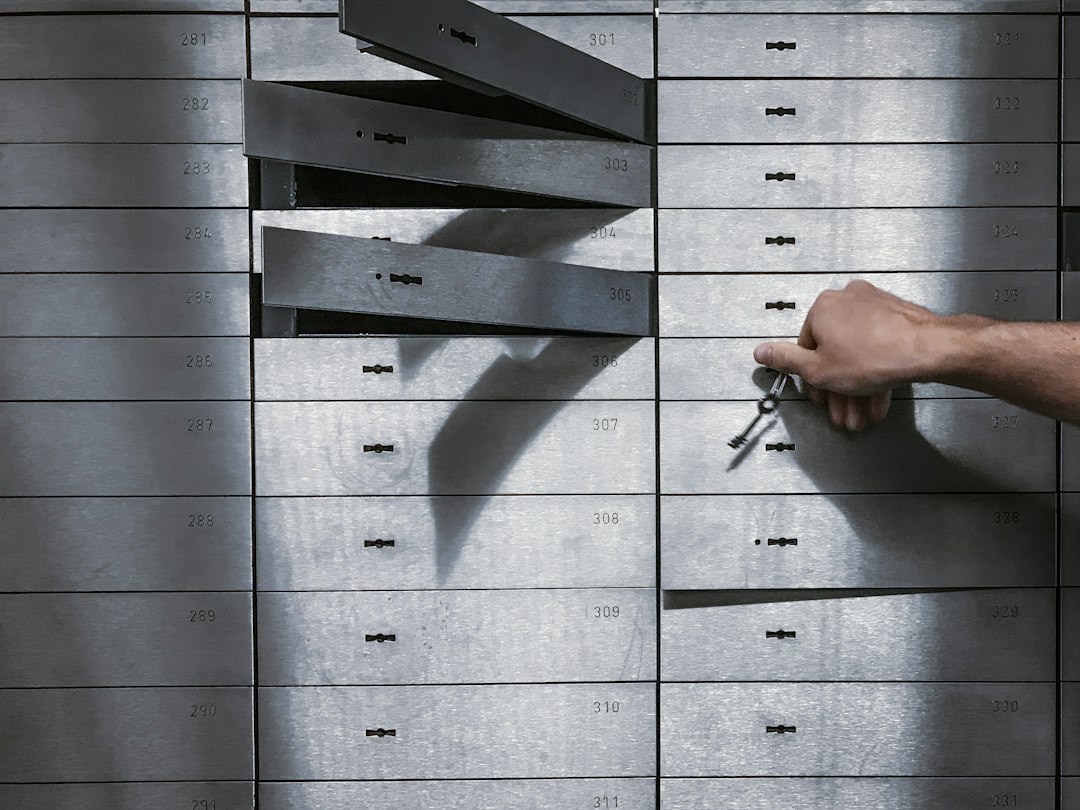
Family heirlooms carry a value that goes far beyond their financial worth. Jewelry, handwritten letters, photographs, medals, certificates, antique keepsakes, and other inherited possessions often represent generations of memories. For families looking to protect these meaningful items, safe deposit boxes can provide a secure and organized storage environment. By separating treasured belongings from everyday household storage, families can create a practical system for preserving items intended to remain meaningful for years to come.
Table of Contents
- Why do families choose secure storage for heirlooms?
- Which family heirlooms are suitable for secure storage?
- How does secure storage help preserve sentimental items?
- Can heirlooms be easier to manage when stored together?
- How can families document the history of an heirloom?
- What role does secure storage play in protecting jewelry heirlooms?
- Are photographs and letters worth preserving securely?
- How can families prepare heirlooms before storage?
- Should families regularly review stored heirlooms?
- How can secure heirloom storage support future generations?
- Conclusion
Why do families choose secure storage for heirlooms?
Heirlooms are often unique and cannot be easily replaced. A family photograph may document an important moment, while an inherited piece of jewelry may represent a connection between generations. Keeping such possessions in a dedicated secure location can provide an added level of protection and organization.
Secure storage also creates a clear distinction between frequently used possessions and items intended for long-term preservation. This makes it easier for families to maintain valuable keepsakes without allowing them to become mixed with everyday belongings.
Which family heirlooms are suitable for secure storage?
Many different types of heirlooms can benefit from protected storage, depending on their size and material. Common examples include vintage jewelry, watches, collectible coins, medals, family letters, photographs, certificates, and small historical keepsakes.
Items with significant sentimental importance can be especially suitable. The objective is not simply to protect expensive possessions but to preserve objects that have lasting meaning for the family.
How does secure storage help preserve sentimental items?
Preservation begins with limiting unnecessary handling and exposure. Paper, photographs, fabrics, and other delicate materials can benefit from being stored carefully rather than repeatedly moved around the home.
Families can place individual items in suitable protective sleeves, archival folders, or containers before storage. Keeping materials separated and properly labeled can also make future handling easier while supporting better long-term organization.
Can heirlooms be easier to manage when stored together?
Yes. A dedicated storage arrangement can create a central system for selected family treasures. Instead of keeping photographs in one location, jewelry in another, and important keepsakes in several different places, families can establish a more structured approach.
An inventory can further improve organization. A simple description of each item, its approximate age, family connection, and location can help future generations understand what each possession represents.
How can families document the history of an heirloom?
Documentation can add considerable meaning to physical objects. Families can record who originally owned an item, when it entered the family, and why it is significant.
For photographs and letters, identifying names, dates, locations, and events can preserve context that might otherwise disappear over time. Creating digital copies of written information or photographs can complement physical preservation and make family history easier to share.
What role does secure storage play in protecting jewelry heirlooms?
Jewelry is often among the most recognizable types of family heirlooms. Rings, necklaces, bracelets, watches, and other pieces may carry both monetary and emotional significance.
When jewelry is not regularly worn, placing it in an organized secure environment can reduce unnecessary handling. Individual protective pouches or compartments can help prevent pieces from becoming tangled or scratched while making them easier to identify when needed.
Are photographs and letters worth preserving securely?
Absolutely. Personal photographs and handwritten correspondence can become increasingly meaningful as generations pass. They provide visual and written connections to family members, celebrations, homes, and important periods in family history.
Because paper-based materials require thoughtful handling, families can use protective storage materials and avoid folding or overcrowding them. Digital preservation can provide an additional way to enjoy and share these memories while keeping original materials carefully protected.
How can families prepare heirlooms before storage?
A little preparation can make a major difference. Each item should be examined, cleaned appropriately, and placed in a suitable protective container before being stored. Families should avoid using unsuitable materials that could cause long-term deterioration.
Labeling is equally useful. Instead of relying on memory, each item can have a short description or identification record. This makes the collection easier to understand and can help younger family members appreciate its significance.
Should families regularly review stored heirlooms?
A periodic review is a useful way to keep an heirloom collection organized. Families can confirm that items remain properly protected, update descriptions, and add newly inherited possessions when appropriate.
Reviews can also provide an opportunity for family members to discuss the stories behind different objects. This turns preservation into more than a storage activity—it becomes a way of maintaining family history and passing knowledge from one generation to another.
How can secure heirloom storage support future generations?
Preserving heirlooms today can create a valuable connection with tomorrow’s family members. When possessions are protected, documented, and organized, future generations have a better opportunity to understand their origins and significance.
A well-maintained collection can become a personal family archive. The physical items provide tangible connections to the past, while accompanying descriptions and digital records can explain the stories that make those objects special.
Conclusion
Family heirlooms deserve thoughtful care because their importance often grows with time. From jewelry and photographs to handwritten letters and cherished keepsakes, organized secure storage can help families protect meaningful possessions while maintaining their history. With careful preparation, clear documentation, protective materials, and periodic reviews, families can create a lasting preservation system that keeps treasured memories accessible for generations to come.
Key Takeaways
- Family heirlooms often carry significant sentimental value beyond their financial worth.
- Safe deposit boxes provide a secure and organized storage environment for protecting treasured heirlooms.
- Items suitable for secure storage include vintage jewelry, photographs, letters, and small historical keepsakes.
- Proper preparation before storage, including cleaning and using protective containers, can significantly enhance the longevity of heirlooms.
- Periodic reviews of stored heirlooms help families maintain organization and preserve the stories behind different objects.
- Documenting the history of each heirloom enhances its significance and helps future generations understand their heritage.